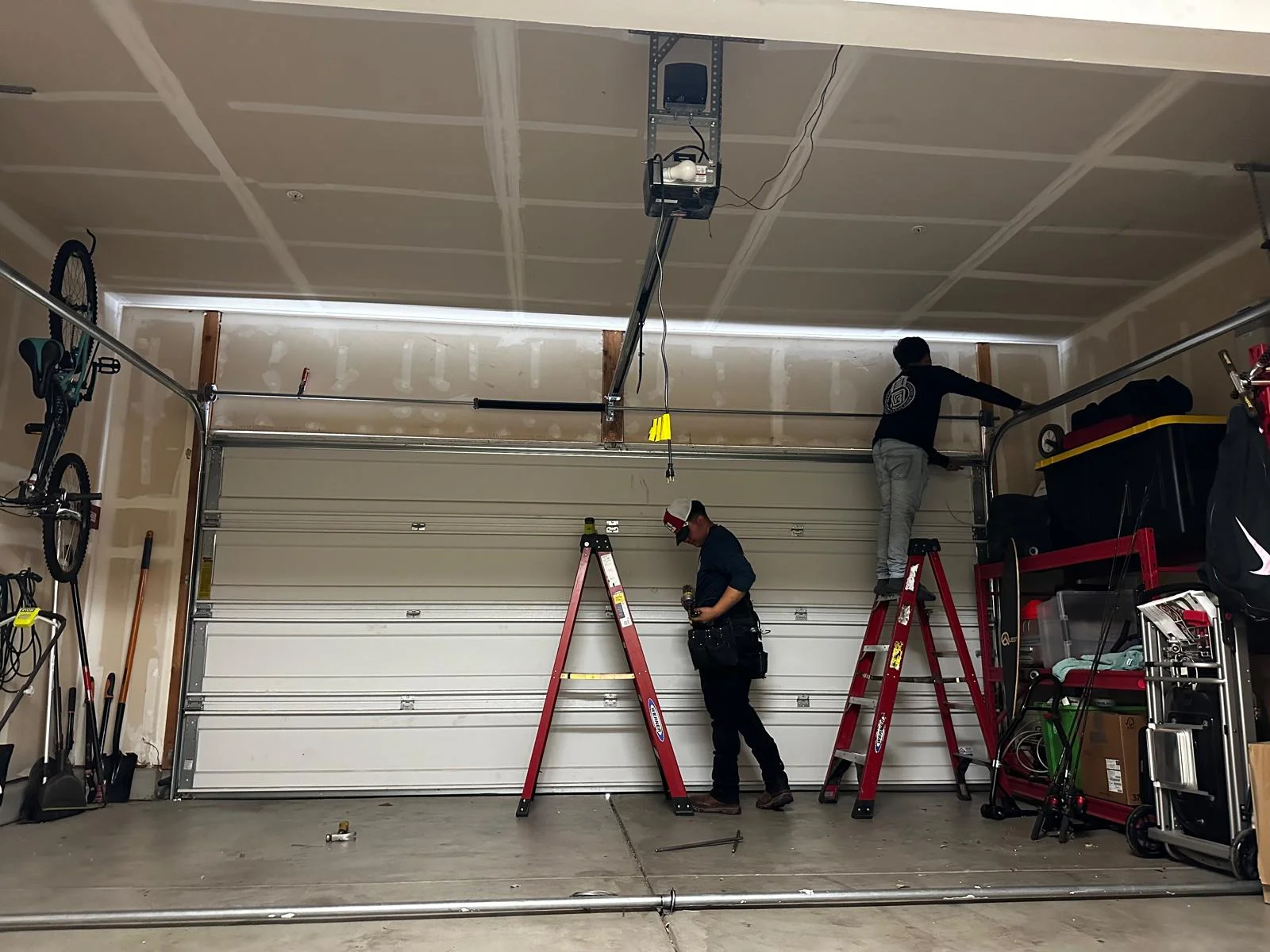
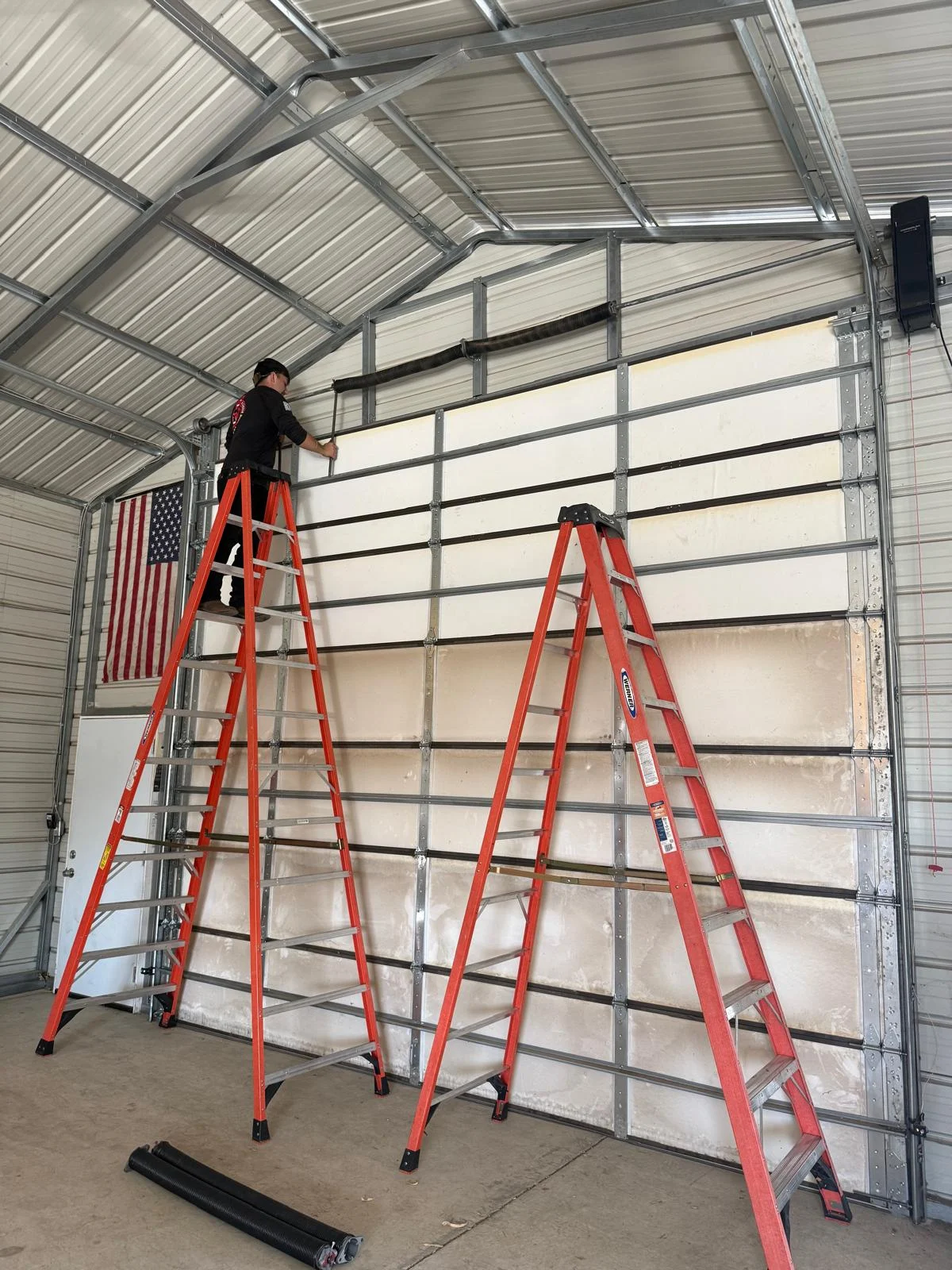
When a bay door at a tire shop, warehouse or service garage will not open or close, work stops. Most commercial door failures are predictable, and a few practical steps cut the downtime a lot. This guide explains why commercial doors fail, how to estimate when a spring will wear out, how to choose the right operator, and what to do when a door goes down.
Why commercial doors fail more often than residential ones
A residential door might open and close a few times a day. A busy bay can do that many times an hour. Every cycle works the springs, cables, rollers, hinges and operator. Add dust, weather and the occasional bump from a vehicle or forklift, and the parts wear much faster.
Springs: do the math on your own door
Springs are rated in cycles; one cycle is one full open and close. For example, C.H.I.'s commercial ribbed-steel Model 3240 uses torsion springs designed for a minimum of 10,000 cycles, with 20,000, 50,000 and 100,000-cycle springs available as upgrades. Here is what that looks like:
| Cycles per day | 10,000-cycle spring lasts about |
|---|---|
| 10 | 2 to 3 years of operating days |
| 30 | About 11 months |
| 100 | About 3 months |
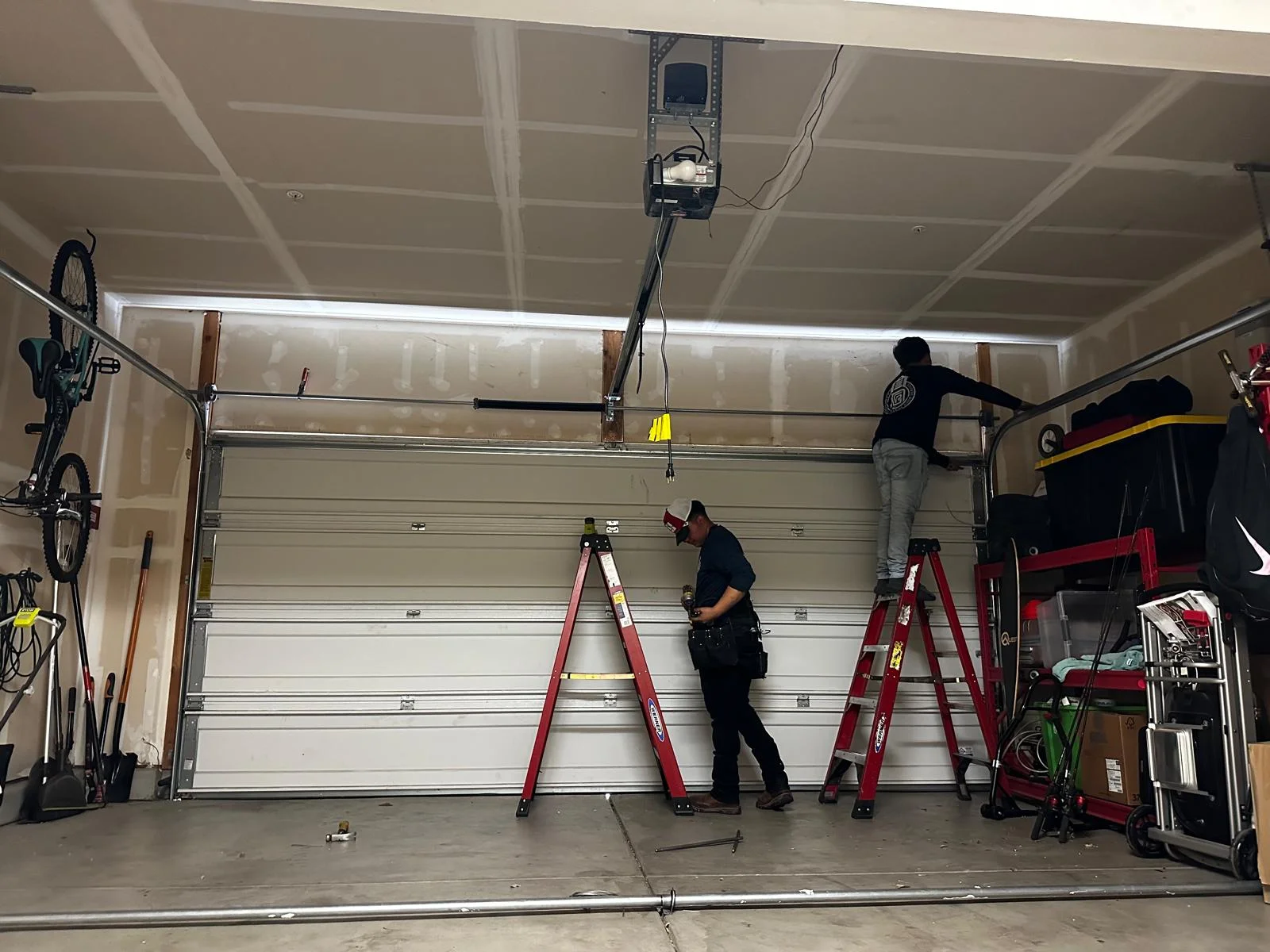
If your door cycles dozens of times a day, a standard spring is a short-lived part, and a higher-cycle spring is usually the cheapest way to cut downtime. We size commercial springs to the door's weight and your usage, not to "whatever fits." See how this played out on a tire shop bay door and a 16x14 commercial sectional door.
Match the operator to the duty cycle
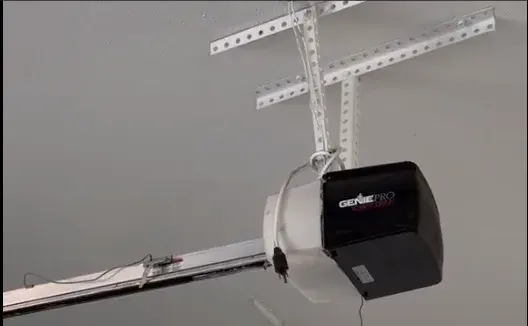
Commercial operators are rated for how often they can run. For example, according to LiftMaster:
- The MHS medium-duty, slow-speed hoist operator for rolling sheet doors is rated for a maximum of 12 cycles per hour and fewer than 50 cycles per day.
- The Logic 5.0 H-style hoist operator for larger sectional doors is rated for 25 cycles per hour and up to 90 cycles per day.
If a door cycles more often than its operator is rated for, the motor overheats and wears out early. When an operator keeps failing, the cause is often a mismatch between the operator and the door's real use. See our Logic 5.0 hoist operator installation.
Roll-up vs. sectional doors for a bay
- Roll-up (rolling sheet) doors coil above the opening and take little interior space. They are common on metal buildings and shops. See our insulated roll-up installation.
- Sectional doors run on tracks and can be insulated or glazed, but need ceiling and side space.
Which one is right depends on how the bay is used; we measure and recommend instead of guessing.
A downtime-prevention routine
- Inspect monthly: look for frayed cables, loose hardware, bent tracks and a door that closes crooked.
- Lubricate on a schedule using the right product.
- Test the safety devices: photo eyes, sensing edges and manual release.
- Track cycles: if you know the count, you can plan spring replacement before it fails.
- Keep the contact details and door specs handy (see below).
- Schedule preventive maintenance before the busy season.
When a door goes down: what to have ready
- Door type (roll-up or sectional) and approximate width and height
- Operator brand and model, if there is one
- What happened: a bang, a stuck door, a burning smell, an error code
- Photos of the door and the operator label
- Whether the door is stuck open (it needs to be secured) or closed
With that information we can bring the right parts. Common commercial springs, cables and operator components are staged at our Ceres warehouse to cut the wait.
Repair or replace?
A single failed spring, cable or operator is usually a repair. A door with bent sections, repeated failures or parts that are no longer available may be a better candidate for replacement. We quote both options, so you can choose on downtime and budget.
Frequently asked questions
Can you repair a commercial door after hours?
Ask when you call. Commercial urgency sometimes needs early or late windows when the schedule allows.
How do I know whether the operator or the door is the problem?
We check the balance and the mechanics before blaming the operator. Many "dead operator" calls are failed springs or cables.
Do you work on public works and government sites?
Yes. We hold CSLB #983074 and public works contractor registration PWCR #2000024783.
See our commercial garage door service and emergency repair, or call (209) 605-5751. We serve Modesto, Stockton, Oakdale, Turlock and Merced.